"When you elevate your self-worth, you increase your net worth."
In the modern corporate world, this isn't just a motivational quote; it is a measurable reality. High-value professionals and effective leaders are not defined by how quickly they react to a crisis, but by the quality of their response. True executive presence requires stepping out of the chaotic, reactive matrix and into a grounded state of clarity. The greatest return on investment (ROI) you can bring to your career is the ability to master your own nervous system.
This mastery begins with a simple, transformative practice: The Sacred Pause.
The Science of the Pause
 The modern workplace frequently operates on a continuous "fight or flight" frequency. Deadlines, hostile communication, and interpersonal friction trigger the sympathetic nervous system, flooding the body with stress hormones and pushing the brain into survival mode. When you are in this state, logical strategy and emotional intelligence are hijacked by anxiety.
The Sacred Pause is the deliberate intervention that shifts your body out of the sympathetic nervous system and activates the parasympathetic nervous system (your "rest and digest" state). It does not have to take hours of meditation; just a couple of minutes out of your day can make a world of difference to settle your nervous system, especially under high pressure.
The Mechanics of the Pause: Breathwork
Breath is the remote control to your nervous system. By changing your breathing pattern, you actively dictate your biological response to stress. Here are three highly effective techniques you can deploy straight from your desk:
- Box Breathing (The Grounding Reset): Inhale for 4 seconds, hold for 4 seconds, exhale for 4 seconds, and hold empty for 4 seconds. Repeat. This immediately lowers the heart rate and restores focus.
- Alkaline Breathing (The Deep Oxygenation): Deep, continuous diaphragmatic breathing that floods the system with oxygen, clearing the physical sensation of panic or overwhelm.
- Breath of Fire (The Energizer): A rapid, rhythmic exhalation through the nose, powered by the navel. Perfect for shaking off stagnant energy and clearing brain fog before a major decision.
"Name It to Tame It"
Once the breath has anchored the body, the next step is observing the mind.
When faced with a triggering scenario, practice the clinical technique of "naming and taming." Instead of becoming consumed by the emotion, observe it objectively: *"I am feeling defensive right now."* By simply naming the emotional reaction, you take the pressure off and move the brain's activity from the reactive amygdala back to the prefrontal cortex, where logic and strategy live.
The Emotion Wheel: Decoding the Shades of Feeling
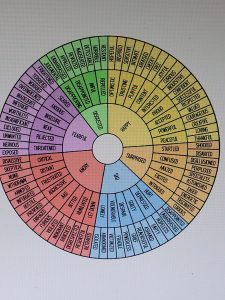 To effectively "name and tame" an emotion, you need the right vocabulary. At its center, the Emotion Wheel identifies the six core human emotions: Joy, Sadness, Anger, Fear, Surprise, and Disgust. From these core pillars, the wheel sections out into secondary and tertiary "shades" of feeling.
- What registers initially as generic Anger might actually be a shade of feeling frustrated, disrespected, or provoked.
- What feels like generalized Fear might actually be overwhelmed, anxious, or powerless.
The Executive Benefit
Expanding your emotional vocabulary gives you leverage. By pinpointing the precise feeling, you strip the emotion of its chaotic power and turn it into actionable data.
The Ripple Effect
Emotional regulation is highly contagious. When a professional practices the Sacred Pause, they actively refuse to pass their dysregulation or anxiety onto the next person. By taking 60 seconds to breathe, observe, and choose a conscious response, you create a firewall against office toxicity. You cultivate a culture of psychological safety, reliable leadership, and genuine professional resilience.
Disclaimer: The information provided in this article is for educational and informational purposes only and is not intended as a substitute for professional medical or mental health advice, diagnosis, or treatment. Always seek the advice of a qualified healthcare provider or therapist with any questions you may have regarding your mental health or wellbeing.